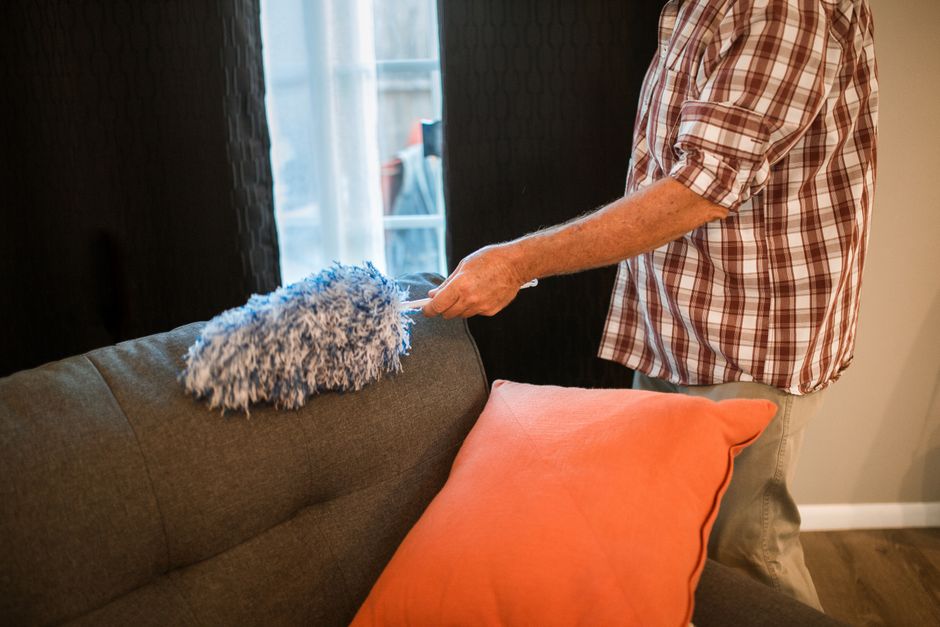
Gants Hill sofa cleaning tips from local technicians
If your sofa is starting to look a bit tired, you are not alone. Between everyday dust, tea spills, pet hair, snack crumbs, and the general pace of life in a busy home, upholstery can go from fresh to flat-looking surprisingly quickly. The good news is that the right approach can make a real difference without risking damage. These Gants Hill sofa cleaning tips from local technicians are built around practical, local know-how: what actually works on common fabrics, what to avoid, and when it is smarter to bring in a professional. A sofa is often the centre of the room, after all. It should feel clean, smell clean, and hold up well. That is the aim here.
In this guide, you will find a clear step-by-step process, expert precautions, common mistakes, a simple checklist, and a realistic example from a local cleaning situation. If you are deciding between DIY care and a specialist service, this article will help you make a sensible call rather than a rushed one.
Table of Contents
- Why sofa cleaning matters in Gants Hill
- How professional sofa cleaning works
- Key benefits and practical advantages
- Who this is for and when it makes sense
- Step-by-step guidance
- Expert tips for better results
- Common mistakes to avoid
- Tools, resources and recommendations
- Law, compliance, standards, and best practice
- Options, methods, or comparison table
- Case study or real-world example
- Practical checklist
- Conclusion
- Frequently asked questions
Why Gants Hill sofa cleaning tips from local technicians Matters
A sofa is one of those things you stop noticing until it starts looking grubby. Then suddenly you notice everything: the dark patch where people always sit, the faint smell from last Friday's takeaway, the shadow of a drink spill that never quite disappeared. In homes around Gants Hill, that happens a lot because sofas work hard. They take daily use, family life, pets, guests, and the occasional "I'll just put this cup here for a second" moment. You know how that goes.
Local technicians tend to approach sofa cleaning with a practical mindset. They are not just chasing a surface shine. They are looking at fibre type, drying time, stain behaviour, and the kind of soil that builds up in real homes. That matters because upholstery is not forgiving when you use the wrong product or too much moisture. A good cleaning method can lift dirt and improve the feel of the fabric. A poor one can leave rings, stiffness, colour loss, or lingering damp.
There is another reason this topic matters locally. In London homes, space can be tight, ventilation can be mixed, and sofas often sit close to radiators or windows. That can affect drying and residue. A technician with local experience will usually factor in those details. It sounds small, but it is exactly the sort of thing that saves you hassle later.
Expert summary: The safest sofa cleaning approach is the one matched to your fabric, stain type, and drying conditions. If one of those three is guessed, the result can be hit and miss.
How Gants Hill sofa cleaning tips from local technicians Works
At a practical level, sofa cleaning usually follows a sequence: identify the fabric, remove loose soil, treat stains carefully, clean the upholstery with a suitable method, then dry it properly. That sounds simple. In reality, the difference is in the detail.
Technicians normally begin with inspection. They check the manufacturer's care label if it is visible, assess the weave or pile, and test a small hidden area if there is any doubt. This is especially important for blended fabrics, older sofas, or anything with visible dye variation. A quick test is not over-cautious; it is just sensible.
After that, the loose debris stage comes first. Dry soil, dust, and pet hair should be removed before any wet cleaning is attempted. If not, those particles can turn into muddy residue and make the fabric look worse. Then comes targeted stain work. Some stains are water-based, others are oily, and a few are a messy mix of both. That is why the same cleaner does not suit every mark.
The main cleaning stage depends on the sofa and the level of soiling. In some cases, technicians use low-moisture upholstery cleaning. In others, they use controlled extraction or spot treatment only. Drying is the final piece. Airflow matters. Heat matters too, but not too much. A damp sofa left to sit can develop odour, and nobody wants that stale, heavy smell the next day.
If you want a broader look at upholstery care beyond sofas, the team pages for upholstery cleaning and sofa cleaning are useful reference points for understanding the service side of the process.
Key Benefits and Practical Advantages
Clean upholstery is not only about appearance. It changes how a room feels. When a sofa is fresh, the whole space tends to feel lighter and more inviting. That is the obvious part. There are also practical benefits that matter more than people expect.
- Better hygiene: Regular cleaning removes dust, body oils, crumbs, and everyday grime that build up in the fibres.
- Improved comfort: A clean sofa often feels softer, less sticky, and more pleasant to use.
- Longer fabric life: Dirt particles can act a bit like fine sandpaper over time, especially on high-use seating.
- Odour control: Fresh cleaning can help reduce that trapped smell from food, pets, or general use.
- Better stain management: Early, careful treatment usually gives better results than waiting until a mark has settled in.
- Smarter spending: Looking after upholstery properly can delay the need for replacement. That is the bit people forget when they are just focused on the stain.
There is a quieter benefit too: confidence. If you have people over, or if you just want your living room to feel more settled, a clean sofa changes the tone of the room. It is a small thing, but not really small, is it?
For customers comparing service types, a specialist stain removal approach can be useful where one mark is the main issue, while broader upholstery care suits sofas with general wear and multiple spots.
Who This Is For and When It Makes Sense
These tips are for anyone in Gants Hill who wants a sofa to look and feel better without creating extra problems. That includes renters trying to keep a place tidy, families with young children, pet owners, and homeowners who have noticed dull patches or patchy marks. It also makes sense if you are preparing for guests, moving out, listing a property, or simply trying to get the most life out of a decent sofa.
Not every sofa needs a full deep clean. Sometimes a careful vacuum, a light spot treatment, and proper drying is enough. Other times, the signs point clearly toward professional help. A few examples:
- the sofa has a persistent smell after cleaning at home
- water marks keep reappearing after DIY treatment
- the fabric looks flattened or patchy in the seat area
- there are pet stains or repeated spill marks
- the care label is missing or unclear
- the sofa is made of a delicate fabric such as velvet, silk blend, or a sensitive natural fibre
If you are dealing with pet-related issues, it can also help to look at a service like pet stain odour removal, because smell and staining often need different treatment. One without the other can leave the job half done.
Step-by-Step Guidance
Here is the practical route local technicians usually recommend for safe, sensible sofa cleaning at home. It is not glamorous. It is just effective.
1. Identify the fabric first
Before you clean anything, check the care label if it is there. Look for clues such as cotton, linen, synthetic mix, velvet, or leather-look upholstery. If there is no label, treat the fabric cautiously. Test, test, and then test again on a hidden area. A minute spent here can save you a lot of regret later.
2. Vacuum thoroughly
Use a upholstery attachment and work into the seams, corners, cushion edges, and under loose seat pads. This removes dust and grit before wet cleaning. If your sofa has a raised weave or nap, vacuum gently in the direction of the fabric. You do not want to rough it up.
3. Deal with fresh spills quickly
Blot, do not rub. Rubbing pushes the liquid deeper and can distort the pile. Use a clean, white cloth or paper towel and dab from the outside of the spill toward the centre. For many fresh marks, that alone is the right first move. Honestly, it is amazing how often people skip this and then wonder why the stain spread.
4. Spot treat with care
Choose the mildest method that could possibly work. A small amount of suitable upholstery cleaner or a lightly dampened cloth is often enough for simple marks. Never saturate the fabric. Too much moisture can leave tide marks or soak into the padding, where it takes ages to dry.
5. Clean in sections
If you are cleaning a larger area, work in manageable sections so no edge dries visibly before the next one is started. This helps reduce patchiness. On bigger sofas, technicians often work from the top of the backrest down toward the seat area, keeping a steady rhythm. Nothing fancy. Just controlled.
6. Dry properly
Open windows if the weather allows, keep the room ventilated, and use airflow rather than blasting heat. A fan can help, but avoid direct heat on delicate fabrics. The goal is even drying, not cooking the sofa. If the fabric feels damp after a cleaning session, leave it. Do not sit on it too soon unless you enjoy crinkled upholstery and mystery smells.
7. Brush or reset the pile if needed
For fabrics that have a nap or soft texture, a gentle fabric brush can help restore the finish once dry. Use light strokes only. If the pile looks different in the cleaned zone, it often needs a little grooming rather than more water.
Expert Tips for Better Results
Local technicians tend to build up a few habits that make a real difference. These are the little things, and little things matter more than people think.
- Always treat the sofa as a system: The surface fabric, filling, seams, and drying conditions all affect the result.
- Use white cloths for blotting: Coloured cloths can transfer dye, especially when damp.
- Work from the outside of the stain inward: This keeps the mark from spreading.
- Be patient with old stains: A settled stain may lighten gradually rather than vanish in one go. That is normal.
- Keep the room ventilated: Even on a dry day, air movement helps more than people expect.
- Do not assume stronger chemicals mean better cleaning: Often the opposite is true.
One local pattern worth noting: in homes where the sofa sits near a window, sunlight can fade or dry certain areas unevenly. So if one armrest looks different from the other, cleaning alone may not be the full story. It might be a mix of wear, light exposure, and use. Slightly annoying, yes. Common, absolutely.
If your sofa marks seem to mirror other fabrics in the room, such as curtains or a rug, a coordinated clean can make sense. In that case, services like curtain cleaning and rug cleaning can support a more even overall finish. It is often the whole room that needs attention, not just one item.
Common Mistakes to Avoid
This is where a lot of DIY sofa cleaning goes sideways. Not dramatically. Just enough to leave you with a second problem.
- Using too much water: Excess moisture can seep into cushions and padding, leaving odours and slow drying.
- Scrubbing hard: It can roughen the fibres and spread the stain.
- Skipping a test patch: Especially risky on coloured or textured upholstery.
- Using general household cleaners without checking suitability: Some are far too harsh for soft furnishings.
- Cleaning only the stain but not the surrounding area: That is how water rings happen.
- Putting covers or cushions back too early: Damp material trapped against damp material is a recipe for a musty finish.
Truth be told, the biggest mistake is probably impatience. People want a quick win. Fair enough. But upholstery rewards the slow, careful method. If a technique feels aggressive, it usually is.
For homes where the mess has spread beyond the sofa, a broader carpet cleaning approach can keep the room looking consistent rather than leaving one item sparkling and the rest looking flat.
Tools, Resources and Recommendations
You do not need a van full of equipment to keep a sofa in decent shape. A few sensible tools go a long way.
| Tool or product | Best use | Technician note |
|---|---|---|
| Upholstery vacuum attachment | Regular dust and crumb removal | Gentle on seams and edges when used carefully |
| Microfibre cloths | Blotting spills and light surface wiping | Use clean, white cloths where possible |
| Soft fabric brush | Reviving pile after drying | Useful on textured or velvety finishes |
| Mild upholstery cleaner | Targeted spot treatment | Check compatibility first; less is usually more |
| Fan or open-window airflow | Drying support | Preferred over strong heat |
If you are not sure whether a cleaner is suitable, stop and check rather than guessing. A cautious approach is not a delay; it is insurance against doing the job twice. And nobody likes doing the same job twice, let's face it.
Some households also benefit from scheduled care, especially where sofas share a busy room with dining habits, pets, or children. In those cases, a planned professional clean through a specialist upholstery cleaning service can be more efficient than trying to rescue individual spots one by one.
Law, Compliance, Standards, and Best Practice
For sofa cleaning, the most relevant standards are less about formal regulation and more about safe, careful practice. In the UK, cleaning work in homes should be carried out with reasonable care, attention to product instructions, and a clear understanding of potential risks like slips, moisture damage, and chemical misuse. That is especially true when you are handling textiles, electrical items nearby, or delicate interiors.
Best practice usually means following the care label where one exists, testing products before use, and avoiding any method that could damage the item or create a health issue through residue or damp. If a professional is carrying out the work, clients should expect the cleaner to act responsibly, explain limitations honestly, and avoid overpromising on stains that may be permanent.
Health and safety matters too. Wet floors, hoses, extension leads, and moving furniture can all create ordinary household hazards, so a tidy work method matters. If you want to understand how a company approaches this side of the job, the pages on health and safety and insurance and safety are relevant to review before booking any service.
Payment, terms, and expectations also matter if you are arranging a professional clean. A proper quote should make sense, and terms should be easy to follow. If something is unclear, ask. That is normal. You are not being awkward; you are being careful.
Options, Methods, or Comparison Table
There is more than one way to clean a sofa, and the right option depends on the fabric, the stain, and how much time you have. Here is a simple comparison to make the decision easier.
| Method | Best for | Pros | Limitations |
|---|---|---|---|
| Vacuum and spot clean | Light maintenance and fresh spills | Quick, low risk, inexpensive | Won't solve deep soiling or odours |
| DIY upholstery cleaning | Small marks on suitable fabrics | Convenient, good for regular care | Risky if product choice or moisture control is poor |
| Professional upholstery cleaning | Embedded dirt, odours, multiple stains, delicate fabrics | More controlled, often more thorough | Costs more than DIY and may require drying time |
| Targeted stain treatment | Specific problem spots | Efficient for one-off issues | May not improve the overall appearance of the whole sofa |
A useful rule of thumb: if the problem is local and fresh, start small. If the problem is old, widespread, or smells as well as looks bad, go broader. The sofa will usually tell you what it needs, although not in words. Shame.
Case Study or Real-World Example
Here is a realistic example from a typical Gants Hill home. A family had a three-seater fabric sofa that looked generally fine from a distance, but close up there was a darkened seat area, faint food marks near one arm, and a soft, stale smell after a few wet weekends indoors. Nothing dramatic. Just enough to make the room feel a bit off.
The first step was a full vacuum, including the seams and the back cushions. That immediately improved the look more than they expected. Then a hidden test area was checked because the fabric was a synthetic blend with a slightly textured finish. Small stain spots were treated gently rather than soaked, and the entire seating area was cleaned in controlled sections. Drying was supported with open windows and steady airflow.
The result was not a "brand new sofa" miracle, because those claims are usually nonsense. But the sofa looked brighter, the darkening was reduced, and the smell was noticeably fresher by the following day. The family also stopped using a harsh multi-purpose spray on the armrest, which had been making the fabric feel a little sticky. Sometimes the biggest improvement is simply removing the wrong habit.
That is a common outcome, honestly. The job is often about restoring comfort and neatness rather than chasing perfection.
Practical Checklist
Use this quick checklist before you start any sofa cleaning job:
- check the fabric type or care label if available
- vacuum the whole sofa, including seams and cushion gaps
- test any cleaner on a hidden spot
- blot fresh spills instead of rubbing them
- use the mildest product that can do the job
- avoid soaking the fabric or cushions
- work in sections if cleaning a larger area
- allow proper airflow for drying
- brush the fabric lightly once dry if needed
- stop and call a professional if the stain is spreading or the fabric is delicate
If you can tick most of those off, you are already ahead of many DIY attempts. Simple, but not simplistic.
Conclusion
Good sofa care is really about restraint, timing, and knowing when to ask for help. The best Gants Hill sofa cleaning tips from local technicians are not flashy. They are practical: identify the fabric, remove dry soil first, treat stains carefully, and dry the sofa properly. Get those basics right and your upholstery will usually look better, smell fresher, and last longer.
If you are dealing with something more stubborn than a light spill, it is sensible to choose a method that protects the fabric rather than taking a gamble. That is especially true with older sofas, mixed fibres, pet odours, or marks that have already been set in for a while. Sometimes the right answer is a careful DIY refresh. Sometimes it is a specialist clean. No drama either way.
Get a free quote today and see how much you can save.
And if you are still unsure, that is normal too. A good upholstery clean should leave you with a sofa that feels easier to live with, which is the whole point in the end.
Frequently Asked Questions
How often should I clean my sofa in a busy household?
For regular upkeep, vacuum weekly and deal with spills as soon as they happen. A deeper clean is often needed every so often depending on use, pets, children, and fabric type. Busy homes usually need more frequent attention than quieter ones.
Can I use vinegar or washing-up liquid on my sofa?
Sometimes people try household remedies, but they are not always suitable for upholstery. A small amount may work on some fabrics, but it can also leave residue, change the texture, or worsen the mark. Always test first, and be cautious.
What is the safest way to remove a fresh spill?
Blot it immediately with a clean, absorbent cloth. Do not rub. Rubbing pushes the liquid deeper and can spread the stain. After blotting, use only a suitable cleaner if the fabric allows it.
Why does my sofa look darker after I clean it?
That usually happens when the fabric is over-wet, unevenly cleaned, or not dried properly. It can also happen if soil has been lifted from one area but still lingers around the edge, leaving a visible boundary.
Can professional cleaning remove every stain?
Not every stain, no. Some marks are permanent, especially if they have been set by heat, bleach, dye transfer, or long-term wear. A good technician should explain what is likely to improve and what may remain.
Is steam cleaning safe for all sofas?
No, not automatically. Steam can be useful on some upholstery, but delicate fabrics or moisture-sensitive materials may be damaged. The fabric type and care instructions should guide the method, not the other way round.
How long does a sofa take to dry after cleaning?
Drying time depends on the fabric, the amount of moisture used, room ventilation, and temperature. A lightly cleaned sofa may dry fairly quickly, while a deeper clean can take much longer. Good airflow makes a big difference.
What should I do if my sofa smells musty after cleaning?
That usually suggests it has not dried fully or moisture has reached the filling. Improve ventilation right away and avoid using the sofa until it is fully dry. If the smell lingers, a professional assessment may be needed.
Do leather sofas need the same cleaning approach?
No. Leather needs a different routine and different products from fabric upholstery. If your sofa is leather or part-leather, do not use the same cleaner you would use on a fabric suite.
Are pet stains harder to remove than food stains?
Often, yes, because pet stains can combine liquid, odour, and residue. They may need more than one treatment step. That is why pet-specific cleaning is often recommended when smell is part of the problem.
When should I book a professional instead of cleaning it myself?
If the sofa is delicate, the stain is old, the odour is persistent, or you are unsure about the fabric, it is usually safer to book a professional. That way you reduce the risk of setting the problem in deeper.
Can sofa cleaning help the rest of the room feel fresher too?
Yes, very often. A clean sofa can make the whole room feel lighter, especially if it is the main seating area. If carpets or rugs also need attention, combining services can create a more even result across the room.